Typewriter Font: A Practical Review for Real Embroidery Projects
First Impressions: Classic Charm Meets Modern Personalization
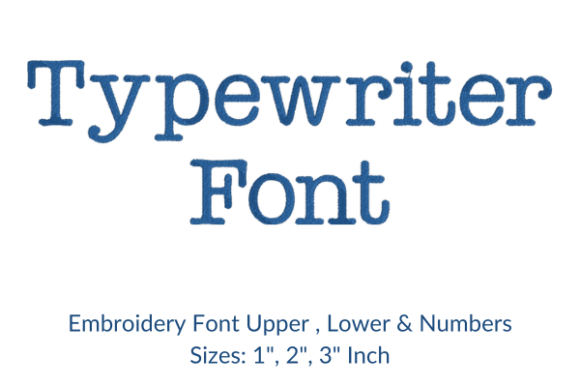
As an embroidery designer who frequently works on custom apparel and personalized gifts, the Typewriter Font Embroidery Design immediately caught my eye. It carries a nostalgic, vintage aesthetic—clean, precise, and full of character. The font has a mechanical, old-school typewriter vibe that feels both timeless and versatile. It’s the kind of design that bridges the gap between formal and casual, making it ideal for a wide range of projects.
What stood out was how legible each letter is, even at smaller sizes. The spacing and weight feel balanced, which is crucial when working with names, quotes, or short messages on items like tote bags, aprons, or baby blankets. The stitch work appears clean and intentional, suggesting it was digitized with care and attention to detail.
Real-World Performance: From Sweatshirts to Patches
When evaluating a font like this, the real test is how it holds up in actual embroidery work. I decided to test the Typewriter Font Embroidery Design on several common items: a cotton tote bag, a baby onesie, and a denim patch. Each material presented different challenges—stretch, texture, and density—but the font handled them all with surprising ease.
- On a cotton tote, the font stitched out crisply with minimal puckering.
- On a stretchy baby onesie fabric, I used a lightweight stabilizer and was pleased with how the letters maintained their shape.
- The denim patch showed off the font’s durability, with no skipped stitches or thread breaks.
One of the standout features was how well it scaled. I resized the font for a small hoop project and found that even at a reduced size, the letters remained sharp and readable. This makes it especially useful for Etsy sellers or boutique merchandisers who often work with limited hoop space.
Working with Different Fabrics and Stabilizers
When using the Typewriter Font Embroidery Design on textured or stretchy fabrics like fleece or knits, I recommend using a medium-weight tear-away or cut-away stabilizer. Dense stitch areas held up well on cotton and linen, but I noticed that on darker fabrics, thread color contrast became more critical. A bright white or cream thread popped beautifully, while gray or beige threads blended in more than expected.
For curved surfaces like baseball caps, I found that the font's clean lines made it easier to adjust and stitch out without distortion. Just be sure to secure the cap properly in the hoop and consider using a cap frame if your machine supports it.
Small Details Matter: Legibility and Licensing
One of the biggest concerns when using any embroidery font is legibility, especially for small lettering. The Typewriter Font Embroidery Design performed admirably in this area. Even at 0.5 inches tall, the letters were distinct and readable. That said, if you're planning to embroider very small text, like initials on a kitchen towel or a date on a pillow cover, always test on scrap fabric first.
I also made sure to double-check the file details and licensing on the Creative Fabrica product page before moving forward with any commercial use. This is especially important for Etsy sellers and other small business owners who sell finished items. As with any digital embroidery file, always verify the terms of use to ensure compliance.
Design Versatility: From Nursery Decor to Handmade Gifts
What makes the Typewriter Font Embroidery Design so valuable is its adaptability. I used it to personalize a baby blanket with a name and birthdate, and it gave the piece a soft, vintage feel. On a kitchen towel, it looked clean and modern. For a boutique sweatshirt, it added a touch of personality without overwhelming the garment.
It also works beautifully in nursery decor. I stitched it onto a felt wall hanging with a nature quote, and the font’s simplicity let the message shine. For handmade gifts like personalized pillow covers or tote bags, this font elevates the perceived value and professionalism of the item.
Impact on Product Presentation and Customer Engagement
From a business standpoint, the right font can make or break a product. The Typewriter Font Embroidery Design adds a layer of sophistication and uniqueness that customers notice. It gives handmade items a boutique-quality finish that encourages repeat purchases and word-of-mouth referrals.
When photographing finished items for Etsy listings or social media, this font photographs beautifully. The clean lines and balanced spacing make for great product shots, especially when paired with neutral or vintage-style backdrops. It also helps maintain brand consistency if you use it across multiple product lines.
Final Thoughts: Is Typewriter Font Worth It?
If you're an embroidery designer, small business owner, or Etsy seller looking for a versatile, high-quality font that works across a variety of fabrics and projects, the Typewriter Font Embroidery Design is definitely worth considering. It stitches well, scales nicely, and offers a timeless aesthetic that appeals to a wide audience.
Before diving in, I recommend downloading a sample if available and testing it on different fabrics. Check the stitch density, hoop size, and thread color contrast to ensure it meets your project needs. And as always, confirm the licensing details to ensure it aligns with your intended use.
Overall, the Typewriter Font Embroidery Design is a solid addition to any embroidery library—especially for those who value both style and functionality in their machine embroidery designs.