Script Numbers Zero: A Designer’s Real-World Review
First Impressions: Elegant, Playful, and Surprisingly Versatile
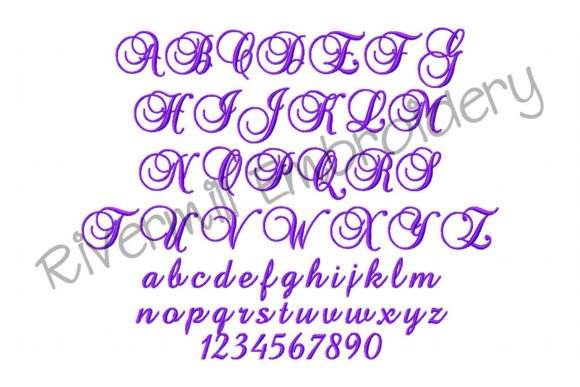
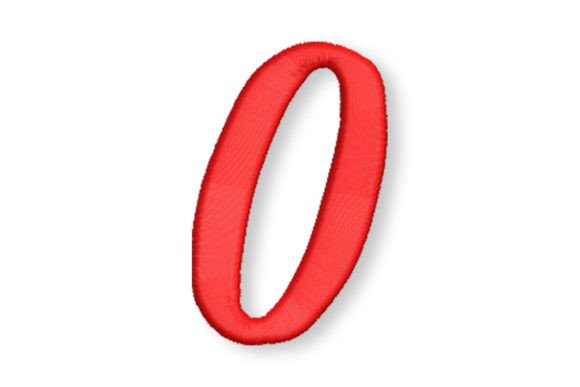
When I first opened the Script Numbers Zero embroidery file, I was struck by how fluid and expressive the design felt. It’s not your typical blocky or overly structured number zero—this one leans into a soft, cursive script that carries a whimsical but refined personality. It reminded me of handwritten notes on gift tags or personalized baby clothes, where charm and legibility both matter.
The design’s flow feels intentional, with a balanced mix of satin and fill stitches that give it structure without overwhelming smaller fabric areas. It's the kind of number zero that could work for a school-themed tote bag, a birthday sweatshirt, or even a boutique-style kitchen towel. The visual weight feels just right for both small-scale and mid-sized embroidery projects.
Real-World Use: From Sweatshirts to Baby Onesies
I tested the Script Numbers Zero across a few different real-life scenarios—starting with a custom embroidered tote bag for a client’s boutique. The design stitched cleanly on cotton canvas with minimal thread breaks. I used a mid-weight stabilizer and a neutral thread color, which let the zero stand out without looking too busy.
Next, I tried it on a stretchy cotton-blend sweatshirt fabric. The satin stitch edges held up well, which is a win because stretchy materials often distort delicate embroidery elements. I was also curious how it would translate on a baby onesie, so I stitched a small version on a 4x4 hoop. It came out crisp, and the rounded curves of the number gave it a soft, approachable feel—perfect for a personalized baby gift.
What surprised me most was how well it scaled down. I used it in a set of embroidered patches for a school-themed craft fair project, and even at a smaller size, the zero maintained its character without losing clarity. That’s a big plus when you're designing for Etsy or a small shop where product photos need to sell the detail from a distance.
Where to Use It Carefully
Like any embroidery design, Script Numbers Zero has its limits. I wouldn’t recommend using it on very thin or loosely woven fabrics—like linen or gauze—without a backing. The stitch density holds up fine on most cottons, but lighter weaves can pucker or tear under the tension.
Dark fabrics also require some thought. I tested it in a bright pink thread on black cotton, and while the contrast was eye-catching, the satin stitch edges didn’t pop quite as much as I’d hoped. For darker backgrounds, I’d suggest a white or light outline to help the zero stand out more clearly.
Curved surfaces like baseball caps are another area to watch. The zero’s smooth lines can get distorted on a curved hoop unless you use a specialty cap hoop or adjust the design placement carefully. I’d also be cautious using it in corners or tight spaces where the design’s curves might get cut off or compressed.
How It Affects the Final Product
In terms of visual appeal, the Script Numbers Zero elevates the look of any personalized item. It adds a handmade touch that feels intentional, not rushed. For Etsy sellers or crafters selling embroidered items, that kind of detail can make a big difference in perceived value and customer trust.
When I used it on a set of embroidered pillow covers for a holiday gift line, customers responded positively to the elegant script. It gave the products a boutique-level finish that felt custom without being too flashy. The same went for a batch of embroidered aprons—using this zero in a monogram-style layout made each piece feel unique and well-made.
From a branding perspective, it’s also a solid choice for small business owners who want a consistent visual element across their merchandise. Whether you're making embroidered patches for a school fundraiser or custom tote bags for a local shop, the Script Numbers Zero brings a level of polish that aligns well with both casual and upscale handmade branding.
Designer Notes: What You Should Test Before Stitching
Before jumping into a client project or product batch, always test the Script Numbers Zero on scrap fabric. I started with a basic cotton swatch, then moved to a stretchy sweatshirt material and a dark-colored tea towel. Each test gave me a better sense of how the design behaves under different conditions.
- Check thread color contrast—especially on dark or textured fabrics
- Review stitch density to avoid puckering on delicate materials
- Confirm hoop size fits your machine and project layout
- Inspect small details like the inner loop of the zero to ensure they stitch cleanly
- Test it in black and white mockups to see how it looks before printing
Also, don’t skip the stabilizer. Even on stable cotton, I used a lightweight tear-away to keep the design from shifting during stitching. And if you’re planning to sell finished items or digital embroidery files, double-check the licensing terms. Since this is a machine embroidery design, it’s important to know whether it allows for commercial use.
Final Thoughts: A Thoughtful Addition to Any Embroidery Kit
The Script Numbers Zero isn’t just another digit in a font pack—it’s a design that adds character and clarity to a wide range of embroidered products. Whether you're a craft business owner, Etsy seller, or custom apparel decorator, this zero can help elevate your finished pieces with minimal effort.
It works well across multiple embroidery file applications, from personalized gifts to commercial embroidery projects. And while it has some limitations on tricky fabrics or curved surfaces, those are easy to manage with a bit of prep work.
If you're looking for a clean, expressive zero that feels handmade but professional, the Script Numbers Zero is definitely worth adding to your design assets. Just make sure to test it thoroughly and pair it with the right product before launching into production.