Old English Fonts Embroidery Design Review for Small Business Branding
First Impressions: A Bold, Classic, and Decorative Typeface
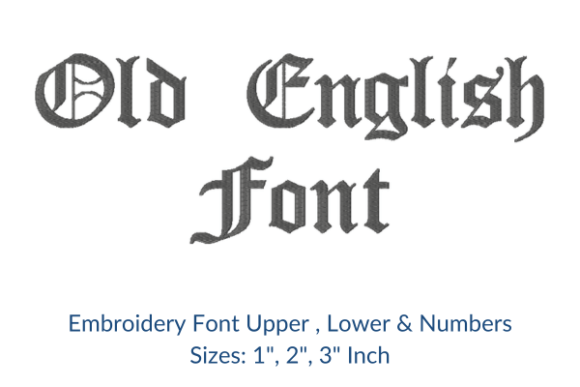
As an experienced embroidery designer, the Old English Fonts Embroidery Design immediately strikes me as a strong, decorative, and historically-inspired typeface. The name itself suggests a rich, gothic aesthetic that can add a sense of tradition, craftsmanship, and visual weight to embroidered designs. Based on the title and description, this font feels more classic and bold than playful or modern, making it ideal for businesses that want to project a sense of legacy or artisanal quality in their merchandise.
Real-World Business Applications
Small businesses—from cafés and boutiques to pet brands and local studios—can benefit from using this embroidery font in a variety of ways. Here’s how it performs across different branded merchandise:
- Embroidered patches: The ornate nature of Old English Fonts Embroidery Design works well as a statement patch, especially when used for logos or mottoes on jackets, bags, or uniforms.
- Staff uniforms: When used on chest or sleeve embroidery, this font can give a professional yet distinctive look to employee apparel, especially in creative or heritage-based brands.
- Apron and cap embroidery: For food service or craft businesses, this design can add a touch of elegance to aprons or caps, helping reinforce brand identity in a memorable way.
- Tote bag and work shirt branding: Whether it's a boutique tote or a delivery uniform, this font adds visual interest and a handmade feel that appeals to customers seeking authenticity.
- Product packaging accents: Smaller embroidered tags or labels using this font can elevate the presentation of handmade products, especially in niche markets like leather goods or artisanal foods.
- Event merch and Etsy branding: For seasonal events or online shops, this font can help create a unique, vintage-inspired look that stands out in a crowded market.
Where to Use with Caution
While Old English Fonts Embroidery Design is visually striking, it does come with some limitations for commercial embroidery use:
- Small patch sizes: The intricate details of the font may not translate well to very small patches. It’s best to test at different sizes before finalizing a design.
- Cap fronts and curved surfaces: Lettering may distort slightly on curved areas. Always review the stitch density and adjust as needed.
- Tiny lettering: This font is not ideal for short, small-lettered text. It shines best with short, bold phrases or names.
- Textured fabric: On rough or uneven materials, the fine lines of the font may not stitch cleanly. Choose smooth fabrics for best results.
- Dark uniforms: Thread color contrast becomes crucial. Light or metallic thread may be necessary to ensure legibility.
- Frequent washing: High stitch density can lead to thread wear over time. Reinforce with quality stabilizer and test durability before bulk production.
Impact on Brand Identity and Customer Perception
Choosing the right embroidery font is more than a design decision—it's a branding strategy. The Old English Fonts Embroidery Design can significantly influence how customers perceive your business:
- Brand identity: This font conveys a sense of tradition, craftsmanship, and uniqueness, ideal for brands with a vintage or artisanal vibe.
- Customer trust: A well-executed embroidered logo or tag using this font can enhance perceived professionalism and attention to detail.
- Recognition: Its bold, decorative nature makes it highly memorable, helping your brand stand out visually.
- Product value: Embroidery adds a premium touch, especially when using a distinctive font like Old English, which elevates even basic merchandise.
- Visual consistency: When used across different merchandise—caps, aprons, patches—it helps maintain a cohesive and recognizable brand presence.
- Handmade presentation: Perfect for Etsy sellers or craft businesses, this font supports a curated, artisanal aesthetic that resonates with buyers.
- Buyer engagement: Unique typography can spark conversation and interest, especially in markets where visual storytelling is key.
Practical Notes for Embroidery Designers
Before incorporating Old English Fonts Embroidery Design into your small business merch or commercial embroidery projects, consider the following checklist:
- Test in black and white first: Evaluate legibility and stitch clarity without color distractions.
- Check small patch size compatibility: Ensure the design remains readable and retains its character at reduced sizes.
- Review thread color contrast: Especially on dark or textured fabrics, the right thread choice can make or break the design.
- Inspect spacing and stitch density: Avoid overcrowding and ensure even distribution for clean, durable results.
- Confirm hoop size: Match the embroidery file to your machine's capabilities to prevent distortion or resizing issues.
- Test on real fabric: Always stitch a sample on the actual material to check for texture interaction and thread tension.
- Use proper stabilizer: Especially important for high stitch density or delicate fabrics to prevent puckering or damage.
- Create a mockup for client approval: Use a printable mockup to show how the font will look on the finished product before stitching.
- Compare with other design assets: Ensure this font works well alongside your existing logos, graphics, and fonts for brand consistency.
- Confirm commercial licensing: If using this design for resale or client work, always verify that the digital embroidery file includes appropriate licensing.
Final Thoughts: A Timeless Addition to Your Embroidery Kit
The Old English Fonts Embroidery Design is a valuable asset for small businesses and embroidery professionals looking to add a touch of bold elegance to their branded merchandise. Whether used for a boutique tote, a café apron, or a custom patch, this font brings a unique visual personality that can elevate your brand’s presence. With careful planning, testing, and thoughtful application, it can become a signature element of your small business merch, handmade product line, or custom apparel offering.