Applique Number 3: A Designer’s Review for Business Branding
First Impressions: Clean, Versatile, and Ready for Customization
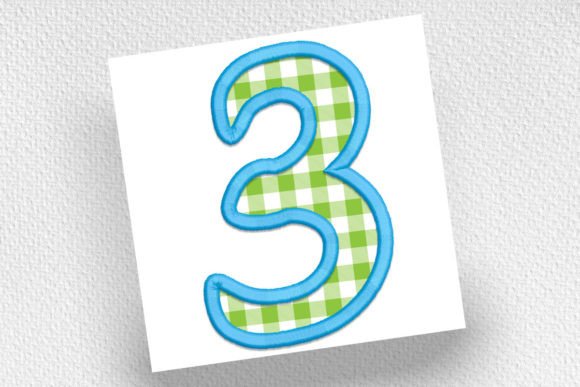
As an embroidery designer evaluating Applique Number 3 for small business branding, the first impression is one of clean professionalism with a touch of personality. Based on the title and description, this design seems to strike a balance between decorative appeal and functional adaptability. It reads as a design that can be both a focal point and a subtle accent, depending on how it's applied.
The term "applique" suggests a layered look, which adds depth and texture to embroidered items. This makes Applique Number 3 ideal for businesses looking to elevate their merchandise with a hint of dimensionality without overwhelming the fabric or product surface.
Real-World Business Uses for Applique Number 3
From a practical design standpoint, Applique Number 3 has strong potential for a variety of commercial embroidery applications. Here's how it could serve different small business needs:
- Embroidered patches: The layered nature of applique makes it perfect for sew-on or iron-on patches. These can be used as collectible items, staff recognition badges, or merchandise add-ons.
- Staff uniforms: As a chest or sleeve accent, Applique Number 3 can subtly reinforce brand identity on workwear without being too flashy.
- Apron embroidery: For cafés, bakeries, or craft studios, this design could serve as a signature touch on aprons, adding a polished, professional look.
- Cap embroidery: Depending on the size and stitch density, it could be scaled down for a cap front or back, especially for boutique brands or event merch.
- Tote bag branding: Applique Number 3 works well as a centered mark on tote bags, giving a boutique or small business a high-quality, handmade feel.
- Product packaging accents: Embroidered tags or small patches using this design can be added to product packaging, elevating handmade or custom goods.
- Custom apparel: Whether for school-related items or small business staff wear, this machine embroidery design offers flexibility in placement and color options.
Where to Use Applique Number 3 with Care
While Applique Number 3 appears versatile, there are specific applications where caution is advised. As a designer, I always evaluate how a digital embroidery file will translate to real-world use. Here are some considerations:
- Small patch sizes: If the design includes intricate outlines or layered elements, scaling it down too much might compromise clarity and professionalism.
- Cap fronts: Curved surfaces can distort stitch placement. Test the design on a mock cap to ensure it maintains its intended shape and readability.
- Textured fabric: Applique works best on smooth to medium-textured materials. Rough or highly textured fabrics may interfere with the layering effect.
- Dark uniforms: Layered applique often uses lighter thread or fabric accents. Ensure contrast is sufficient to make the design stand out on darker backgrounds.
- Frequent washing: High stitch density or complex layering can loosen over time. Confirm the design is durable enough for repeated laundering, especially for uniforms or daily-wear items.
How Applique Number 3 Builds Brand Identity
For small businesses, visual consistency is key to building recognition and trust. Applique Number 3, when used thoughtfully, contributes to a cohesive brand identity across multiple touchpoints. Whether it's on a tote bag handed to a customer or stitched onto employee apparel, this design reinforces professionalism and attention to detail.
Its handmade presentation can appeal to Etsy sellers or local craft businesses that want to emphasize authenticity. At the same time, the clean lines and structured layout make it suitable for more formal branding applications like school merchandise or boutique packaging.
From a buyer engagement standpoint, embroidered items tend to feel more premium. Applique Number 3 can elevate the perceived value of your products, making them more memorable and desirable.
Practical Design Notes for Using Applique Number 3
Before putting Applique Number 3 into production, here are some essential steps every embroidery designer should take:
- Test in black and white first: This helps evaluate contrast and clarity before investing in color threads.
- Check small patch compatibility: See if the design retains its visual impact when scaled down for patches or labels.
- Review thread color contrast: Make sure the chosen colors work well on the intended fabric and background.
- Inspect spacing and layering: Ensure layers are properly aligned and spaced to avoid bunching or distortion.
- Confirm hoop size: Match the design to your machine’s hoop capacity to prevent resizing issues.
- Test on real fabric: Always run a sample on the actual material to assess texture, drape, and durability.
- Use proper stabilizer: This prevents puckering and ensures clean, even stitching—especially important for applique layers.
- Create a mockup for client approval: A printable mockup helps clients visualize the final look before production.
- Compare with other design assets: Make sure Applique Number 3 fits stylistically with your brand’s other visual elements.
- Confirm commercial licensing: Verify that the embroidery file is licensed for business use, especially for resale or branded merchandise.
Final Thoughts: A Smart Addition to Your Embroidery Design Kit
Applique Number 3 is more than just a decorative element—it's a strategic tool for small businesses looking to build a strong, consistent brand presence through embroidered merchandise. Whether you're creating staff uniforms, tote bags, or custom patches, this design offers flexibility, visual appeal, and professional polish.
As with any machine embroidery design, success lies in thoughtful application and testing. By taking the time to evaluate Applique Number 3 in different contexts and materials, you'll ensure that your finished product meets both your standards and your customers’ expectations.
For embroidery shops, Etsy sellers, and craft brands, Applique Number 3 is worth considering as part of your commercial embroidery toolkit. It's a design that bridges the gap between decoration and branding—something every small business should be proud to wear or display.